
Robocall Claims Announces Robocall Documentation Resource
PHILADELPHIA, PA - October 20, 2026 - PRESSADVANTAGE - Robocall Claims has announced the availability of an online
Press Release Disclaimer: This is a press release distributed through the XPR Media network. It has not been independently verified by our newsroom.

PHILADELPHIA, PA – October 20, 2026 – PRESSADVANTAGE –
Robocall Claims has announced the availability of an online documentation resource for individuals receiving repeated automated calls and text messages, providing information about maintaining call records and identifying callers under federal communications law. The Philadelphia-based legal resource, associated with attorney Max Morgan, Esq. of The Weitz Firm, LLC, is intended to organize information that may be relevant when potential Telephone Consumer Protection Act matters are reviewed.
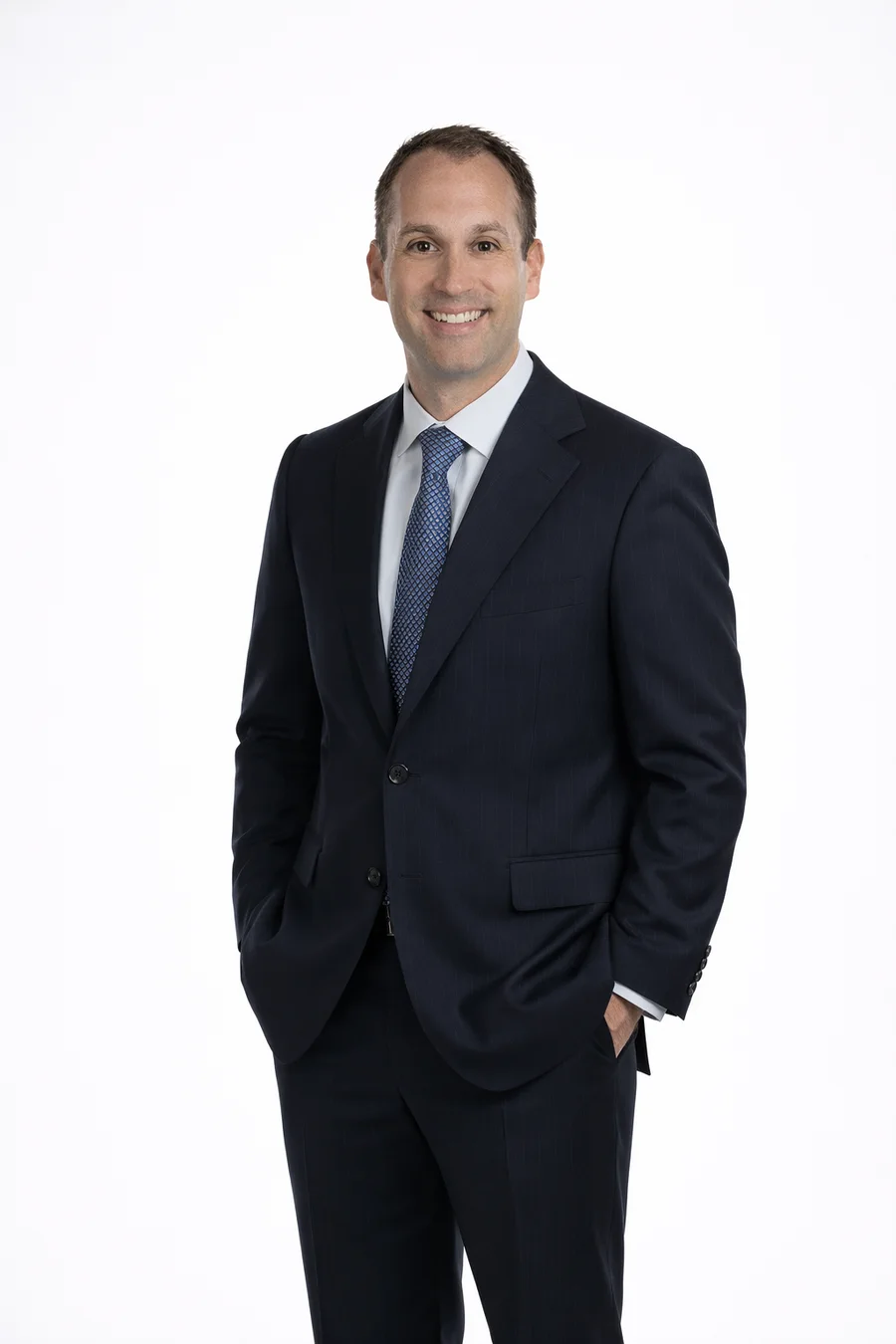
“Accurate records can help establish what communications occurred, when they occurred, and which company may have been responsible for them,” said Max Morgan, Esq., attorney with The Weitz Firm, LLC. “The resource was developed to give individuals a consistent method for documenting those facts before a potential claim is evaluated.”
The Robocall Claims website addresses calls and text messages that may fall within the Telephone Consumer Protection Act, commonly known as the TCPA. The federal statute regulates certain automated telephone calls, prerecorded or artificial voice messages, and telemarketing communications, with requirements that vary according to the technology used, the purpose of a communication, and the existence of consent.
Documentation can be relevant because TCPA matters often depend on the circumstances surrounding individual communications. Call histories can identify dates, times, originating numbers, frequency, and patterns, while saved text messages and voicemail recordings can preserve the content of communications. Information identifying the company responsible for a call can also affect whether a potential matter can be investigated.
The online case guide includes a tracking sheet designed to record incoming communications as they occur. The resource directs users to retain available information such as telephone numbers, dates, recorded messages, and the identity of a business when that information can be determined. It also explains that incomplete records may require additional documentation before an attorney can evaluate the underlying circumstances.
Robocall Claims operates in connection with Max Morgan, Esq., a Pennsylvania-licensed attorney with The Weitz Firm, LLC. According to information published by the organization, Morgan holds Pennsylvania Attorney ID 316096 and was admitted to practice in the state in 2013. The firm maintains an office at 1515 Market Street in Philadelphia and handles matters arising under the federal TCPA, with local counsel associated when required by applicable rules.
The organization’s informational materials distinguish between different categories of communications that can arise in TCPA matters. Those categories include prerecorded calls, artificial-voice calls, automated or repeated communications intended for another person, marketing text messages, debt-related communications, and calls made after certain opt-out requests. Whether a particular communication violates applicable law depends on the facts of the communication and the legal requirements in effect at the time.
Federal law is not the only source of rules addressing telephone solicitation. Pennsylvania maintains state requirements concerning telemarketing practices and a Do Not Call program administered through the Office of Attorney General’s Bureau of Consumer Protection. State requirements can address issues such as calling periods, registration, and requests to stop certain telemarketing communications, while federal requirements establish separate standards applicable across jurisdictions.
The documentation resource also addresses caller identification, an issue that can arise when telephone numbers are spoofed, recycled, or used by third-party service providers. A displayed telephone number does not necessarily establish which entity initiated a communication. Records such as voicemail content, company names provided during calls, follow-up text messages, written notices, and other identifying information can therefore become relevant to determining the source of repeated communications.
Robocall Claims states that submission of information through its website does not create an attorney-client relationship. Any legal review depends on the individual facts presented, and prior case outcomes do not determine the result of another matter. The organization also identifies its website as attorney advertising and provides information concerning Morgan’s licensing and professional affiliation.
The resource reflects a broader emphasis on preserving electronic records before potential communications disputes are evaluated. Mobile devices commonly retain call histories and text-message records for limited periods, while voicemail records can be deleted or overwritten depending on the service provider and device settings. Maintaining separate documentation can create a chronological record that remains available if the underlying communications later require review.
Additional background concerning Morgan’s professional credentials and the organization’s approach to TCPA matters is available through the website. Robocall Claims indicates that its materials are intended to provide general information concerning robocall documentation and federal communications claims rather than legal advice concerning any individual situation.
###
For more information about Robocall Claims, contact the company here:
Robocall Claims
Max Morgan, Esq.
max.morgan.attorney@gmail.com
1515 Market Street, #1100 Philadelphia, PA 19102


