
Traverse Bay Farms Takes Evidence-First Approach With Updated Tart Cherry Health Report
Rebuilt 2026 edition of longtime consumer resource examines published tart cherry research, including positive
Press Release Disclaimer: This is a press release distributed through the XPR Media network. It has not been independently verified by our newsroom.
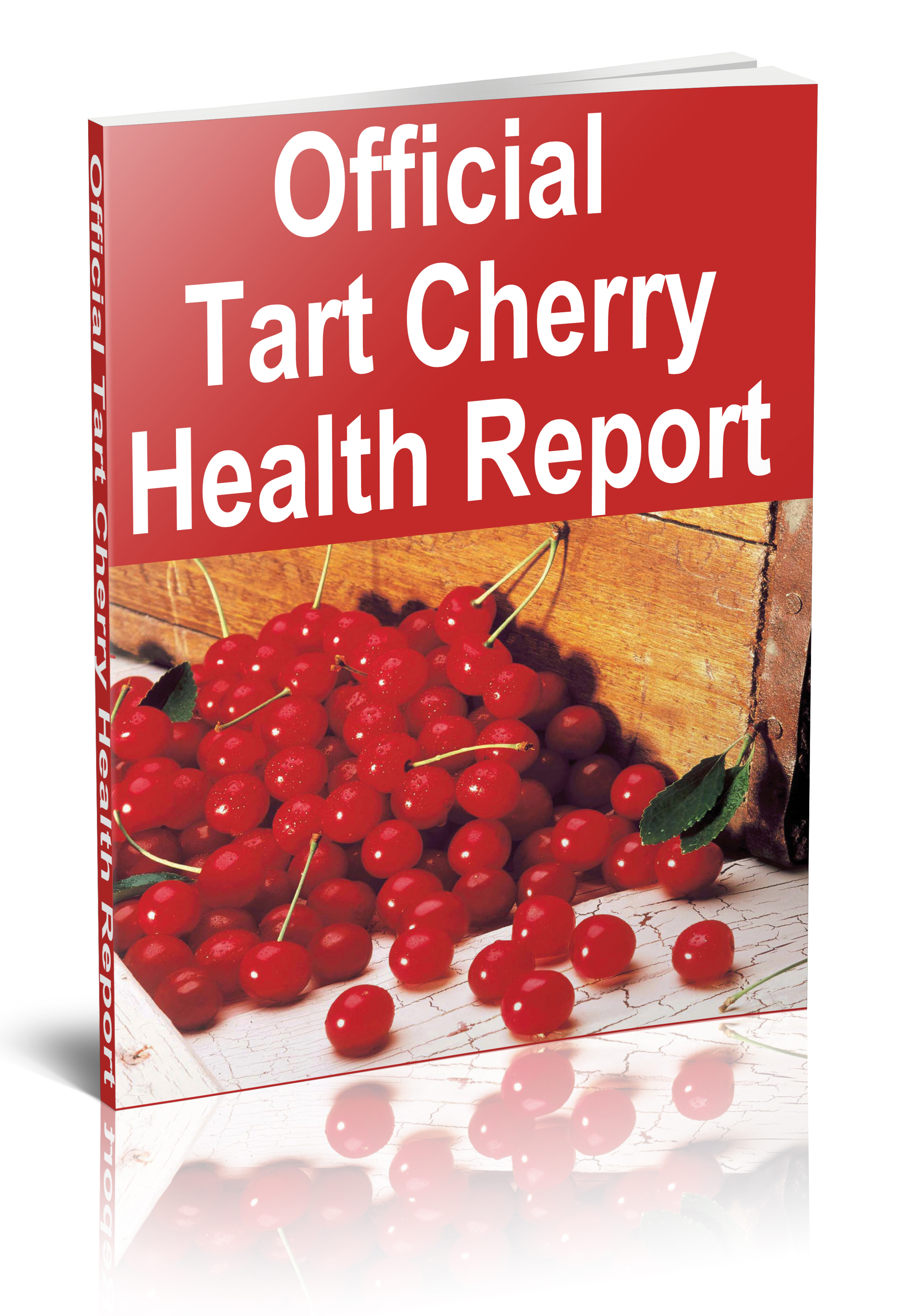

Rebuilt 2026 edition of longtime consumer resource examines published tart cherry research, including positive findings, null results, limitations and practical guidance
Bellaire, MI (PRUnderground) October 29th, 2026
Rebuilt 2026 edition of longtime consumer resource examines published Montmorency tart cherry research, including positive findings, null results, study limitations and practical guidance
Traverse Bay Farms, a Northern Michigan tart cherry company founded in 2001, has released a completely updated 2026 edition of its Tart Cherry Health Report, expanding a consumer education resource the company first published more than 15 years ago.
The newly rebuilt report examines published human research involving Montmorency tart cherries (Prunus cerasus) and organizes the findings into an easier-to-understand resource covering restful sleep, exercise recovery, healthy uric acid levels, tart cherry product formats, research limitations, label reading, safety considerations and frequently asked questions.
Rather than presenting only studies with favorable outcomes, Traverse Bay Farms designed the updated report to include studies that found benefits as well as research that found little or no effect.
“Consumers deserve to see the entire picture,” said Andy LaPointe, co-founder of Traverse Bay Farms and author of the Tart Cherry Health Report. “There is legitimate scientific research on Montmorency tart cherries, but that doesn’t mean every study reaches the same conclusion. We wanted to build a resource that explains what researchers have found, where the evidence is strongest and where questions still remain.”
More Than 15 Years of Tart Cherry Consumer Education
Traverse Bay Farms first published its Tart Cherry Health Report more than 15 years ago.
Since then, the amount of published research surrounding tart cherries has continued to grow. At the same time, consumers have encountered an increasing amount of online information and marketing claims about tart cherry juice, tart cherry concentrate and tart cherry supplements.
For the 2026 edition, Traverse Bay Farms rewrote the report from the ground up.
The updated resource links readers to published research and explains not only study findings, but also important limitations that can affect how those findings should be interpreted.
The report discusses several factors consumers should consider when evaluating tart cherry research, including:
-
– Many tart cherry studies include relatively small numbers of participants.
-
– Studies frequently last only days or weeks rather than months or years.
-
– Tart cherry forms and serving amounts vary between studies.
-
– Some research has received food-industry funding.
-
– Results are generally modest and should not be compared with medication.
-
– Some published tart cherry studies have found no measurable benefit.
“We believe including studies that didn’t produce the result someone hoped for actually makes the resource more useful,” LaPointe said. “If we’re going to talk about the research, we should talk about all of it.”
What Does Tart Cherry Research Actually Show?
One goal of the updated report is to help consumers distinguish between areas with a larger body of human research and those where evidence remains preliminary.
The report identifies exercise recovery after strenuous activity as one of the most extensively studied areas involving Montmorency tart cherries, with multiple controlled trials and published reviews examining muscle soreness, strength recovery and other measures following demanding exercise.
Research involving restful sleep has produced encouraging but mixed results. Several studies involving tart cherry juice or concentrate reported improvements in certain sleep measures, while other studies found no meaningful difference.
Research involving healthy uric acid levels is characterized in the report as earlier-stage evidence because the available human studies are relatively small and short.
The report also explains why Traverse Bay Farms intentionally does not use research involving diagnosed medical conditions as a basis for making treatment claims about tart cherry foods or supplements.
“This isn’t about trying to turn a food into a medicine,” LaPointe said. “It’s about helping people understand what scientists have studied and what those studies actually tell us.”
Understanding Montmorency Tart Cherries
The expanded Tart Cherry Health Report also provides background information explaining why the specific type of tart cherry matters when reading research.
Montmorency tart cherries are the primary tart cherry variety grown commercially in the United States and are the variety used in much of the published human tart cherry research.
The report explains the difference between tart cherries and sweet cherries and discusses naturally occurring compounds found in tart cherries, including anthocyanins, melatonin and other polyphenols.
It also helps consumers understand why simply seeing the words “cherry” or “tart cherry” on a product does not necessarily mean that product matches the ingredient, variety, amount or format used in a published study.
Juice, Concentrate, Capsules or Dried Cherries?
Another major addition to the updated report helps consumers compare different tart cherry formats with the formats actually used in clinical research.
The guide discusses:
Tart cherry juice concentrate — commonly used in published sleep and exercise-recovery studies.
Tart cherry capsules and powders — studied in some areas, particularly exercise recovery, but with different results depending on the formulation and research question.
Dried tart cherries — a whole-fruit food but a format that has been used much less frequently in published human research.
The report also includes a section explaining how to read tart cherry product labels, including what consumers should look for regarding cherry variety, country or state of origin, milligrams per serving, the part of the cherry used and concentration measurements such as Brix.
A Tart Cherry Company Disclosing Its Own Perspective
Traverse Bay Farms also makes its commercial interest clear within the report.
The company produces and sells tart cherry juice concentrate, tart cherry capsules and dried tart cherries.
“We’re a tart cherry company, so readers should know that before they evaluate what we’ve written,” LaPointe said. “Being transparent about who we are is important. Then readers can look at the studies themselves, follow the references and make their own decisions.”
Every scientific study cited in the report was checked against its published source, according to Traverse Bay Farms.
The educational resource also includes direct references so readers can go beyond the summary and review the underlying research for themselves.
25 Years of Tart Cherry Experience
The updated report comes during Traverse Bay Farms’ 25th year in business.
Founded in Northern Michigan in 2001, Traverse Bay Farms has spent more than two decades working with tart cherry products and answering consumer questions about tart cherry juice concentrate, capsules, dried cherries and related foods.
That firsthand experience has shaped the questions addressed in the report.
“After 25 years, you begin to recognize the questions people ask again and again,” LaPointe said. “Does the cherry variety matter? What’s the difference between juice and concentrate? What did researchers actually use? How much did they use? Were the results consistent? Those are the kinds of questions we wanted this report to answer clearly.”
The report includes dedicated sections addressing frequently asked questions such as when tart cherry was consumed in studies, how long research participants used it, how tart cherry juice compares with capsules, whether tart cherry products contain natural fruit sugar and where Montmorency tart cherries are grown.
Building a Searchable Tart Cherry Knowledge Resource
The expanded Tart Cherry Health Report is also part of a broader consumer education initiative at Traverse Bay Farms.
The company continues to develop articles, research summaries, FAQs, videos, recipes, visual guides and other educational resources designed to answer common questions about tart cherries and related products.
By organizing information around specific consumer questions and linking scientific claims to published research, Traverse Bay Farms aims to make the resource useful not only to traditional search users, but also to emerging AI-powered search and answer platforms seeking clear, well-structured information about tart cherries.
“Our goal is straightforward,” LaPointe said. “When someone has a question about Montmorency tart cherries, we want to provide an answer that is useful, transparent and backed by something they can verify.”
About the Traverse Bay Farms Tart Cherry Health Report
The Official Tart Cherry Health Report: What the Research Says About Montmorency Tart Cherries — 2026 Edition is a free educational resource written by Andy LaPointe, co-founder and Wellness, Marketing & Culinary Director of Traverse Bay Farms.
The report covers Montmorency tart cherry research involving restful sleep, exercise recovery and healthy uric acid levels, along with research interpretation, product formats, tart cherry label reading, safety information, frequently asked questions and published references.
A free online edition and downloadable printable edition are available through Traverse Bay Farms.
About Traverse Bay Farms
Founded in 2001, Traverse Bay Farms is a family-owned Northern Michigan company specializing in tart cherry products, gourmet foods and fruit-based wellness products. The company offers tart cherry juice concentrate, tart cherry capsules, dried tart cherries and a variety of specialty food products.
Traverse Bay Farms has earned 38+ national food awards and operates retail stores in Bellaire and Elk Rapids, Michigan. Its products are also available through select retailers and online to customers nationwide.
Traverse Bay Farms’ educational resources include tart cherry research information, wellness guides, recipes, videos, visual guides and frequently asked questions developed from more than two decades of experience working with tart cherries.
Disclaimer: The Tart Cherry Health Report is provided for educational purposes and is not medical advice. Traverse Bay Farms products are not intended to diagnose, treat, cure or prevent any disease. Consumers with medical conditions or questions about medications should consult a qualified healthcare professional.

