Invasive Spiny Water Flea Detected in Minnesota’s Daniels Lake
The invasive spiny water flea has been detected in Daniels Lake, located within the Boundary Waters Canoe Area Wilderness (BWCAW) in Cook County, Minnesota. This discovery represents the first new Minnesota lake identified with this species this year.

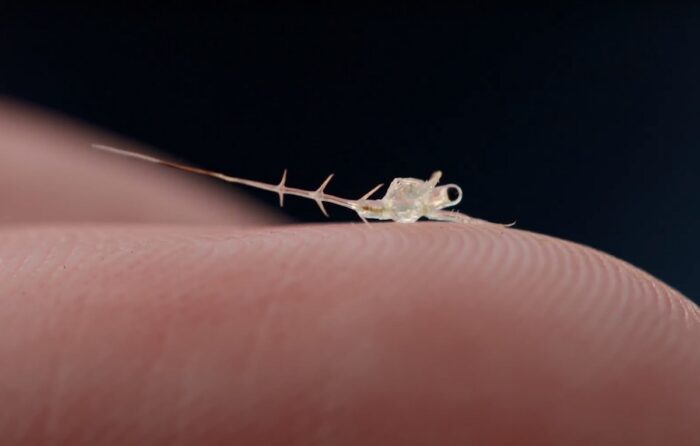
 Duluth Superior, MN, November 1, 2026 — The invasive spiny water flea (Bythotrephes longimanus) has been detected in Daniels Lake, a body of water situated within the Boundary Waters Canoe Area Wilderness (BWCAW) in Cook County, Minnesota. This marks the first new Minnesota lake identified as hosting this invasive species in the current year.
The detection in Daniels Lake signifies a new area of concern for aquatic invasive species management in the state. The spiny water flea is an ‘emerald ash borer of the aquatic world’, known for its potential to disrupt food webs and impact native ecosystems. Its presence in a lake within the protected Boundary Waters Canoe Area Wilderness raises particular environmental concerns.
This species, native to Eurasia, is characterized by its distinct spiny tail, which can deter predation by fish. It reproduces rapidly and can form dense populations, altering the zooplankton community upon which many fish species depend. The long-term ecological and economic impacts of invasive species can be significant, affecting fisheries and recreational activities.
Specific details regarding the date of discovery, the agency or individual who made the identification, and the extent of the infestation within Daniels Lake were not provided in the summary. Further information on mitigation efforts or potential containment strategies for this newly identified infestation has not been detailed.
The Boundary Waters Canoe Area Wilderness is a federally managed protected area known for its pristine lakes and extensive canoe routes. The introduction of invasive species into such an environment underscores the ongoing challenges in preventing the spread of aquatic invaders, even in remote and protected regions.
Story summarized from the original created by Kalli Hawkins on wtip.org, see more information here.
Media gallery